Organic growth for a SaaS website is rarely represented by a single metric.
Traffic is useful, but it does not explain what happens after visitors arrive. For an ongoing SEO programme, website analytics can provide another layer of information by showing user activity, engagement and interactions alongside organic search performance.
This case study looks at the early data from a SaaS website that recently began investing in organic traffic growth.
The objective is not to present a short reporting period as a definitive SEO outcome. Instead, the data provides an initial reference point for understanding website behaviour and identifying areas for further optimisation.
The SaaS Marketing Challenge
The client wanted to strengthen its organic acquisition channel and establish a more structured approach to website growth.
For a SaaS business, organic acquisition involves more than publishing content around keywords. The website needs to attract relevant search demand, provide useful information, support different stages of the buying process and make it possible to understand what visitors do once they arrive.
The initial focus was therefore on establishing the foundations for sustainable organic traffic growth while creating a measurement framework for subsequent optimisation.
Establishing an Initial Measurement Baseline
The first stage of an SEO programme requires a reliable baseline.
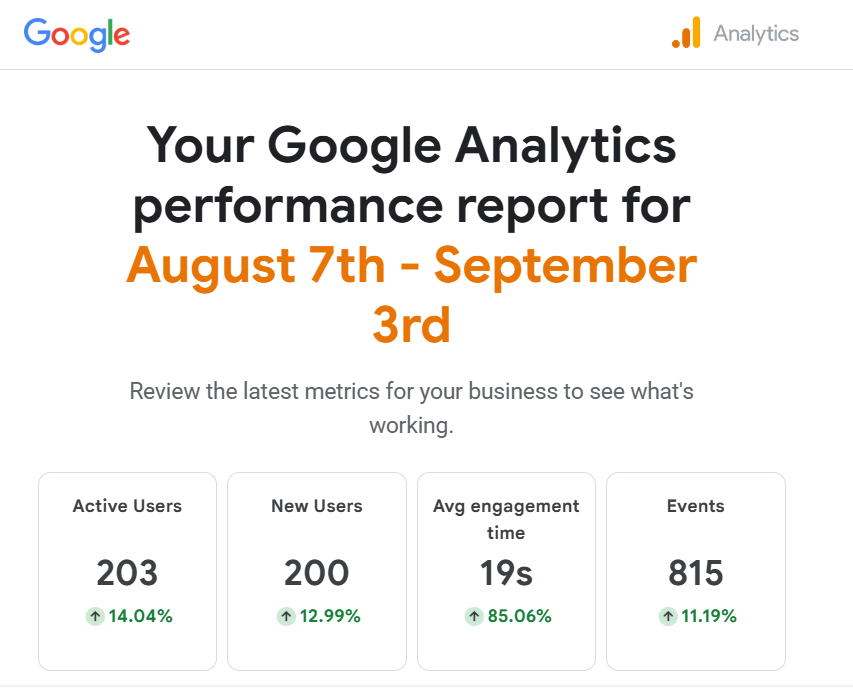
For this website, Google Analytics provided an initial view of user activity during the reporting period.
The data showed:
| Metric | Reported figure | Change |
| Active users | 203 | +14.04% |
| New users | 200 | +12.99% |
| Average engagement time | 19 seconds | +85.06% |
| Events | 815 | +11.19% |
The increase in average engagement time is particularly useful to investigate, although it should not be interpreted independently as evidence of SEO success.
The next step is to understand which pages, traffic sources and user journeys contributed to the change.
How We Approach Organic Traffic Growth
Rather than treating traffic volume as the primary objective, the SEO process considers several areas together.
Search intent
Content needs to correspond to the underlying intent of the search query.
A SaaS website may attract informational searches, solution-oriented searches, comparison searches and searches associated with specific products or services. These different intents require different types of content and landing pages.
Existing content
Existing pages can contain opportunities that are overlooked when the focus is exclusively on creating new articles.
Pages already receiving impressions or visitors can be reviewed for relevance, content quality, structure, internal linking and alignment with the intended audience.
Topic coverage
A SaaS website generally needs more than isolated articles targeting individual keywords.
Related content can provide broader coverage of a subject and address the different questions a potential buyer may have during research.
Technical SEO
Organic visibility also depends on the technical accessibility of the website.
Crawlability, indexability, site architecture, canonicalisation, redirects and page performance are among the areas that need to be considered as part of a technical SEO review.
Internal linking
Internal links help users move between relevant information and provide search engines with additional context about relationships between pages.
The objective is not to add links indiscriminately, but to create logical connections within the site’s information architecture.
Looking Beyond Website Traffic
The Analytics data provides useful information about website activity, but it should be considered alongside search data and business metrics.
For example, an increase in users does not by itself tell us:
- whether those users came through organic search
- which search queries brought them to the website
- whether they were relevant prospects
- which pages they viewed
- whether they took meaningful commercial actions
That is why organic traffic analysis needs to connect search visibility, website behaviour and business outcomes.
What the Early Data Tells Us
At this stage, the data provides an initial baseline rather than a long-term performance conclusion.
The changes in users, engagement time and events provide areas for further investigation. The next stages of the programme can use page-level and source-level data to determine where the strongest opportunities exist.
For a SaaS company, this is particularly important because organic traffic is valuable when it reaches the right audience and contributes to the broader acquisition process.
The Next Stage
The focus going forward is on building a longer performance history and evaluating:
- Organic search visibility
- Relevant search queries
- Organic landing pages
- Engagement by acquisition source
- Content performance
- Website interactions
- Commercial actions
This creates a more complete view of whether organic growth is developing in the intended direction.
Key takeaway
Early SEO measurement is not about making a small dataset look significant. It is about establishing a reliable baseline and using subsequent data to make better decisions.

Looking to build a stronger B2B SaaS marketing strategy? Let’s connect to discuss SEO, AEO, GEO and SaaS content marketing. Partner with WWM to build a marketing engine around your growth goals.